CNC Machining Tariffs 2026: Why Your Quote Costs More
Published 2026-09-09 · updated 2026-09-22 · Materials
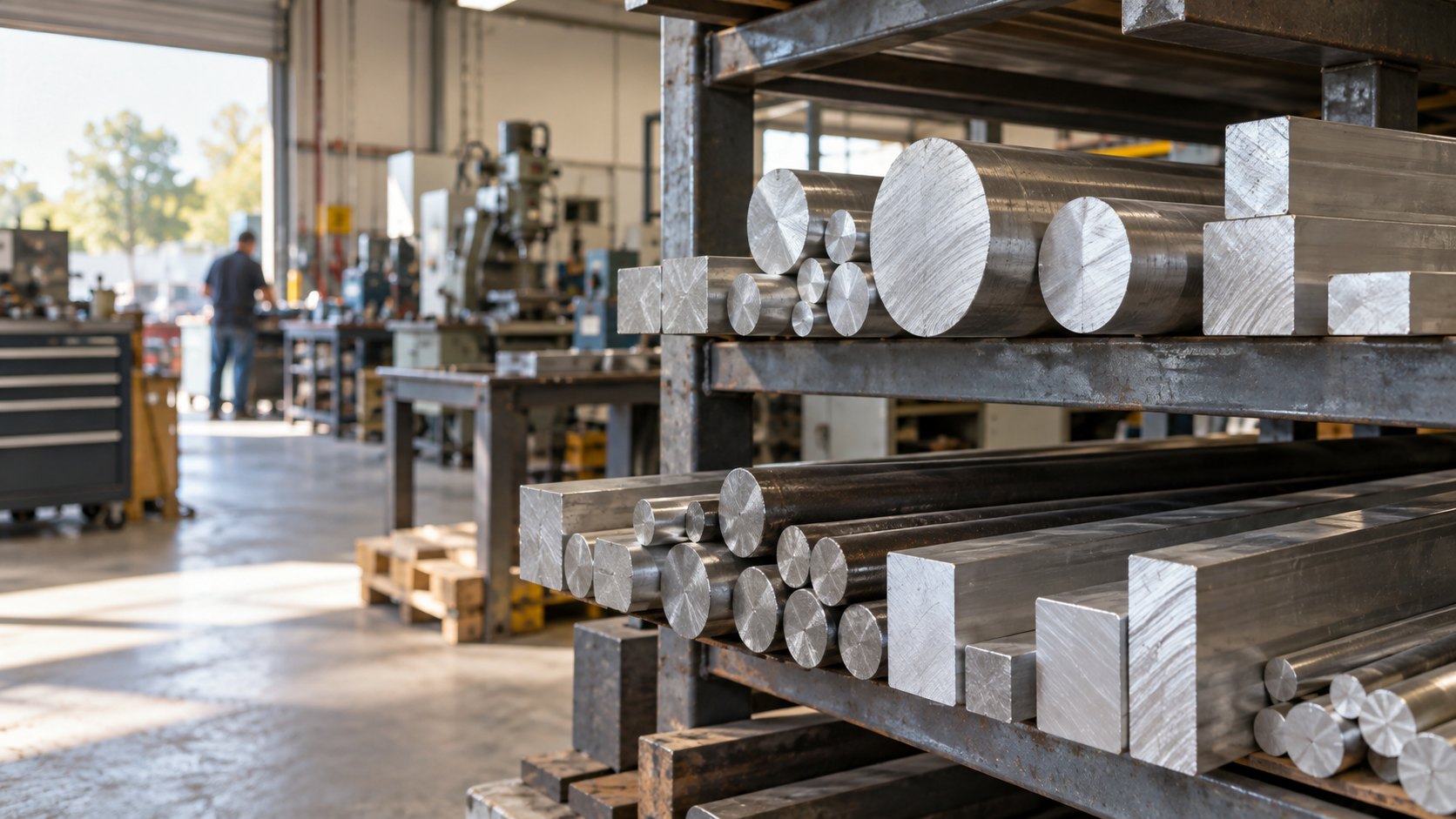
If your last quote for a 6061-T6 aluminum bracket came in higher than the one you got in 2025, tariffs are the reason — not your supplier padding margin. CNC machining tariffs 2026 rules changed how duties on steel and aluminum parts get calculated, and the shift is bigger than a rate bump. Since April 6, 2026, Section 232 tariffs apply to the full value of a finished or semi-finished part, not just the raw metal inside it. That's true whether the part crossed a border as a casting, an extrusion, or a fully machined bracket ready to bolt in.
This post sticks to what's confirmed as of September 2026: the rates in effect, what counts as a derivative product, and how that changes the math between a domestic quote and an overseas RFQ. We're not guessing where rates go next — just showing you what's already built into the number on your screen.
Section 232 Aluminum Tariffs on CNC Parts: What Actually Changed
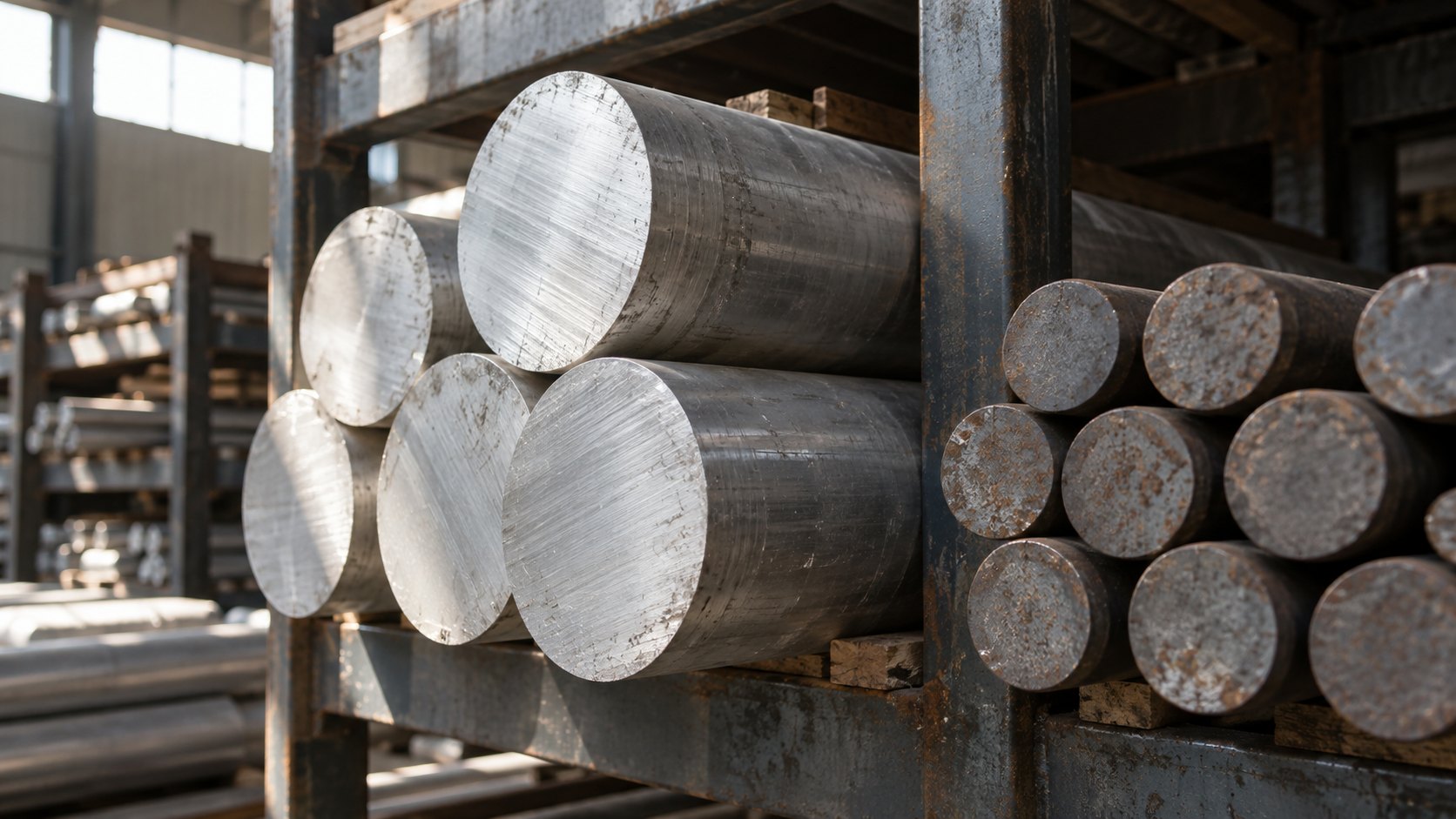
Steel tariffs moved from 25% to 50% between June 2025 and 2026. Aluminum sits at 10% on standard articles, doubling for aluminum derivatives — extruded blanks, castings, and machined brackets among them. That's the plain rate. The bigger change is the base those rates apply to. As Yijin Solution's China CNC Machining Tariffs Guide lays out, Section 232 moved to a full-value basis on April 6, 2026: duty now applies to the entire customs value of the part, including the machining, not just the weight of metal it contains.
That's what the section 232 aluminum tariffs cnc buyers deal with today: an article made entirely or almost entirely of steel, aluminum, or copper carries 50% duty on its full value if imported. A part that's substantially made of those metals — say, a machined bracket with a plastic bushing pressed in — carries 25%. A June 8, 2026 proclamation also lowered the US-origin metal content threshold from 95% to 85% for the reduced-rate category, which tightened what qualifies as domestic. For a steel aluminum tariff machined parts question, the answer depends on classification, not just tonnage.
See also: Anodizing, Bead Blasting, or As-Machined? Choosing a CNC Finish
Why the CNC Quote Price Increase in 2026 Isn't Just Tariffs
Tariffs are one input. Raw material cost is the other, and it's moved on its own. Aluminum has traded above $3,100/tonne through 2026, up from levels a year earlier that made a 6061-T6 plate job noticeably cheaper to quote. That's a commodity-market number, independent of any duty schedule — it shows up in your per-pound material line whether the stock is domestic or imported. Combine that with the Section 232 full-value basis and you get the cnc quote price increase 2026 pattern buyers keep asking us about: the same drawing, the same tolerance, a higher number.
In practice this hits some jobs harder than others. A 4140 steel shaft with tight ID tolerance and low material mass absorbs a tariff or price swing better than a large 6061-T6 plate part where material is most of the cost. Copper (C110) and brass jobs move less on tariff exposure — copper's covered under the same Section 232 metals framework, but brass alloys with lower copper content can land in a different classification lane entirely.
What 'Derivative Product' Means When You're Sourcing Overseas vs. Domestically
A derivative product, in Section 232 terms, is a part that started as raw metal and was changed in form — cast, extruded, stamped, or machined — before it crossed the border. That's most of what gets quoted through a CAD upload. A raw 6061-T6 billet isn't a derivative. A milled bracket cut from that same billet is. This matters because buyers sourcing overseas often quote against a supplier's unit price and forget the import step happens after that number, not instead of it.
What Counts Toward a Part's Full Value
- The machining, finishing, and labor built into the part — not just the metal weight
- The country of origin, determined by where the part took its final form, not where it shipped from
- Whether covered metal (steel, aluminum, copper) makes up almost all of the part, or is a substantial but partial share
- Freight, insurance, and brokerage fees layered on top of the unit price
That last point is why an overseas RFQ that looks cheaper per pound can land more expensive per part once duty, freight, and brokerage stack on top. A domestic quote skips all four of those layers. It doesn't skip US material cost or US labor cost — but it doesn't add 25-50% of full part value on the way through customs, either. Run both numbers side by side before you commit tooling or a PO.
See also: cnc service support
How CNC Instant Quote Reflects Tariff-Adjusted Cost Right Now
Our pricing engine reads current domestic material cost per pound — 6061-T6, 4140, C101, C110, and the rest of our stocked alloys — at the moment you upload a STEP file. There's no separate tariff line item to guess at, because the number you see already reflects what that stock costs to buy and machine domestically today. If you're holding an overseas RFQ next to our quote, you're comparing a landed-cost estimate against a number that's already settled. That's the gap buyers ask us to explain most: not why our price moved, but why it moved less than the overseas one did.
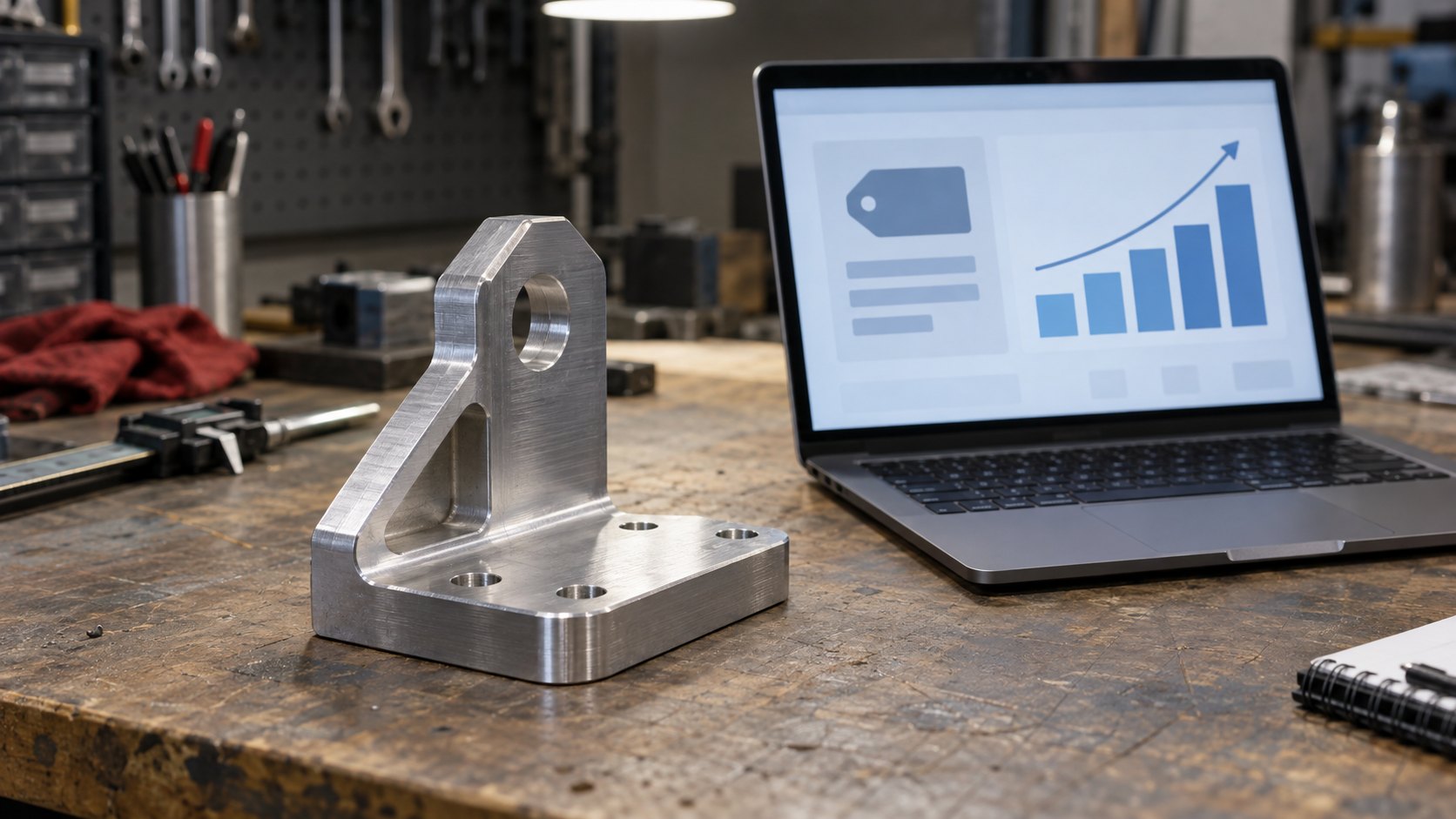
We can't tell you what a specific overseas supplier will quote landed — that depends on their HTS classification, your broker, and your Incoterms. What we can tell you is what the same part costs to make here, today, with current alloy pricing and current duty exposure already priced into your own domestic sourcing decision. That's usually enough to see whether the overseas number is actually competitive once everything is on the table.
FAQ: CNC Machining Tariffs 2026
Does Section 232 apply to a part I buy domestically?
No. Section 232 is an import duty — it applies when a part or its raw metal crosses into the US. A bracket machined and sold domestically from US stock doesn't carry this duty, though the underlying aluminum or steel price still reflects the broader commodity market.
Is a machined steel bracket taxed the same as raw steel bar?
No. Raw steel bar is the input, not the derivative. A machined bracket made almost entirely of steel is a derivative product and, if imported, carries duty on its full value — the machining and labor included, not just the steel weight.
Will tariff rates change again before the end of 2026?
We don't know, and we're not going to guess. This post reflects rates and thresholds confirmed as of September 2026. Check your quote at the time you're ready to order rather than pricing off an older number.
Get a Tariff-Adjusted Number Instead of an Estimate
You don't need to model Section 232 exposure by hand to know what your part costs today. Upload your STEP file to our instant quote tool and you'll get a price built on current domestic material cost — the same alloys, the same tolerances, no separate tariff guesswork layered on after the fact. If you're comparing it against an overseas RFQ, check our machining capabilities for what we stock, or browse our machining guides for more on how specific alloys price out. →
Related guides
Price your part in seconds
Upload a STEP or IGES file — real geometry, real pricing, no waiting.